Category: State
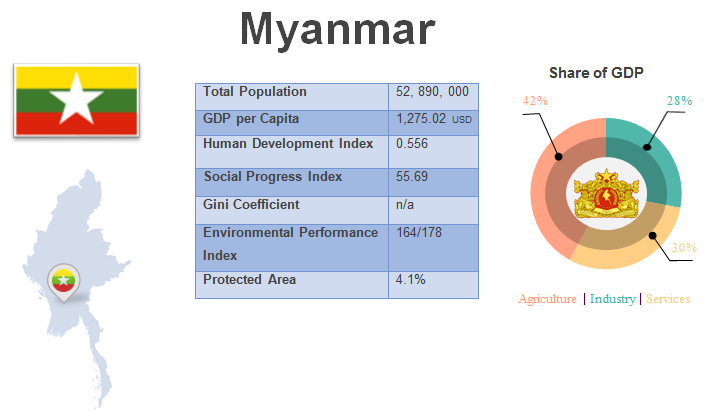
CSR in Myanmar
History of CSR in Myanmar
- There is little understanding of the concept of CSR, indicating a need for training
- CSR is primarily thought of as philanthropy in Myanmar
- Buddhist influence morally encourages donations of money, goods and services
- Entrenchment of values encouraging willingness to share
- CSR is seen as a fashionable concept and is certainly seen as the right thing to do
Legal framework and Initiatives:
- Child Labour and Forced Labour
Child and forced labour are enormous issues in Myanmar.
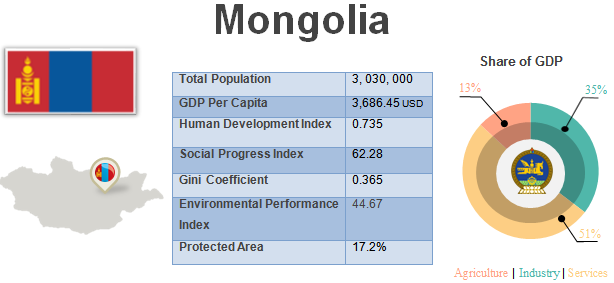
CSR in Mongolia
History of CSR:
- CSR is still a new concept in Mongolia.
- The business world of Mongolia is aware of the term and largely perceives it as making environmental and social contributions in Mongolia.
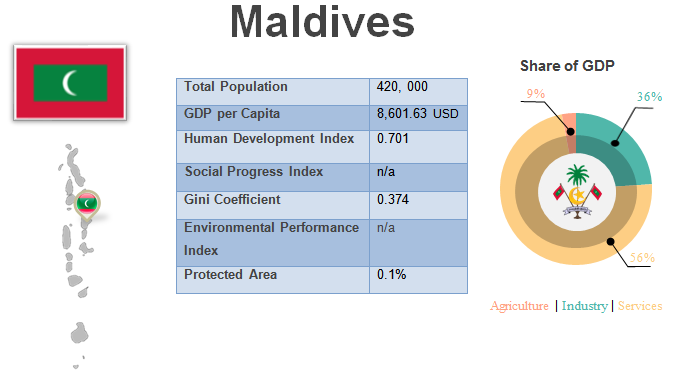
CSR in the Maldives
History of CSR:
- CSR is not a highly developed concept in the Maldives.
- The concept is often reduced to acts of philanthropy.
- A majority of companies do not have CSR strategies.
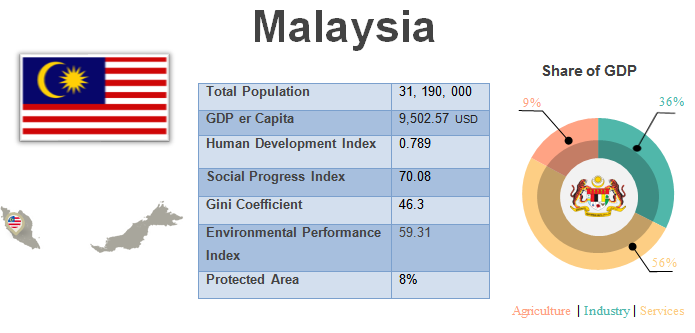
CSR in Malaysia
History of CSR:
- CSR in Malaysia began in the form of small contributions which was traditionally driven by religions and racial motivations.
- Multinational companies and businesses influenced by the west began to make corporate contributions
- The Malaysian government has gradually increased its focus on CSR, creating frameworks for implementation of CSR initiatives for the country’s businesses
- For example, the CSR Silver Book launched by the government-linked company (GLC) transformation programme, which provides firms with scorecards and guidelines to measure CSR ideas and to measure the effectiveness of corporate CSR policies.
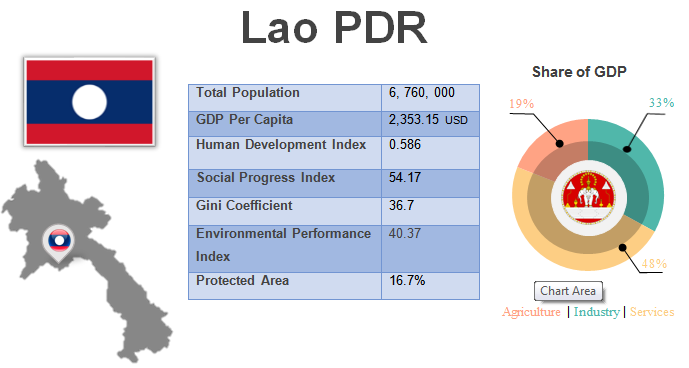
CSR in Lao PDR
History of CSR:
- Lao is a party to several treaties in the field of environmental protection, biodiversity and labour standards.
- Lao has signed Agreements on the Promotion and Mutually Protection of Investments, which have due regard to the protection of environment.
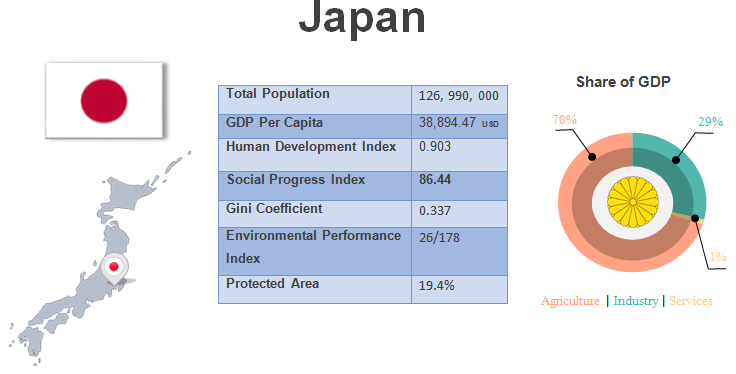
CSR in Japan
History of CSR in Japan:
- For over 50 years the topic has been publicly debated, slowly developing as a concept
- CSR in Japan traces back to a resolution issued by the Japan Association of Corporate Executives in 1956, entitled “Awareness and Practice of the Social Responsibilities of Businessmen.”
- CSR developed through five phases as defined by Kawamura.
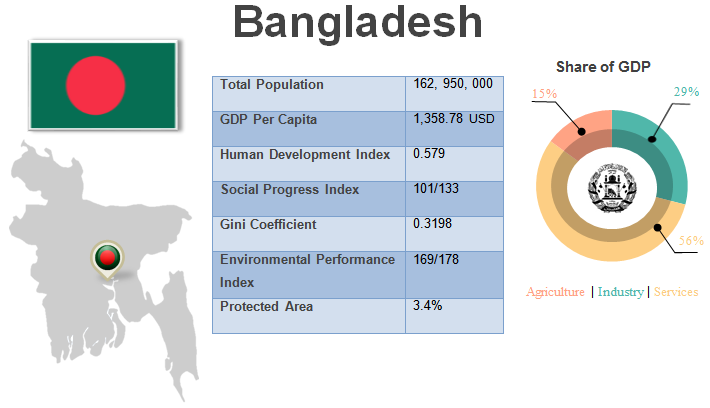
CSR in Bangladesh
History of CSR:
- There is no specific legislation in Bangladesh to assist the regulation of
- CSR is gradually being normalised in Bangladesh, with CSR projects moving from the peripheral management by external actors, to the mainstream management within local companies.
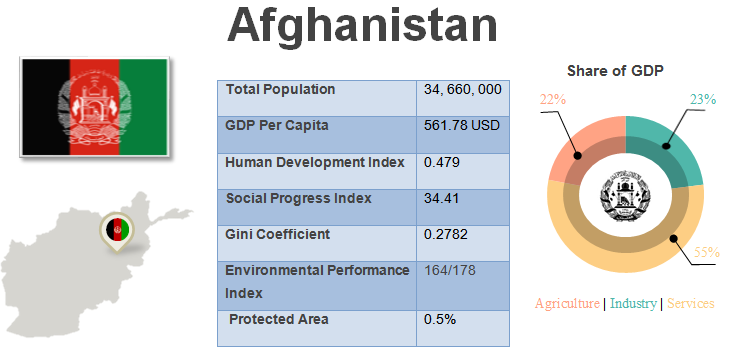
CSR in Afghanistan
History of CSR:
- Afghan awareness of responsible business conduct is nascent.
- A comprehensive mining law passed in October 2014 requires mining contract holders to consult affected communities.
- The largest Telecom operator in Afghanistan, Roshan, was recognized for its social responsibility in 2015.

About diamonds
- They arecomposed of carbon
- They burn when heated to bright red
- Their weight is measured in carat – 1 carat = 0.2 gram
- Diamonds were first discovered in India by Alexander the Great in 327 BC; then discovered in Brazil and described as “curious pebbles in 1725
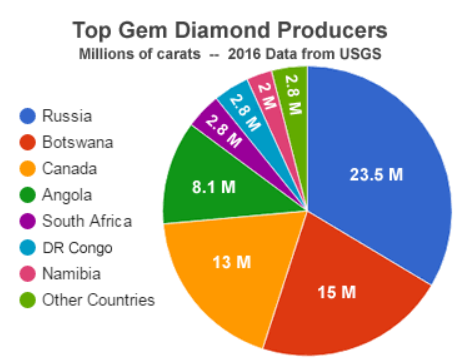
The United States are the largest consumer of gem-quality diamonds in the world, but interestingly enough has no commercial mine production; the Crater of Diamonds State park in Arkansas is the only produce where the United States produces gem-quality diamonds.… Read More